

Kiri Paulownia
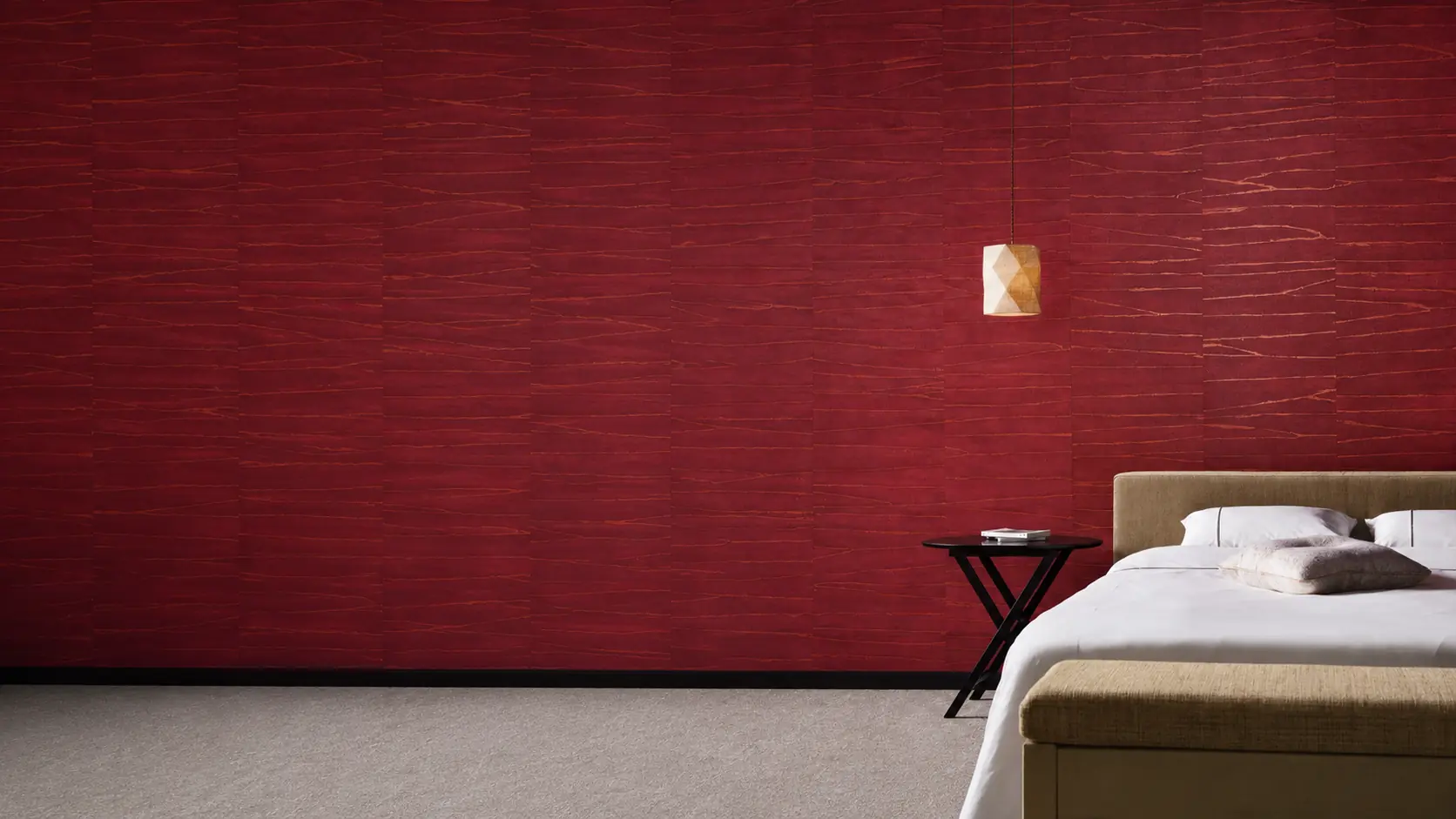
Paulownia is sliced thin enough for its grain and lustre to become the pattern itself. No two sheets catch light in exactly the same way.

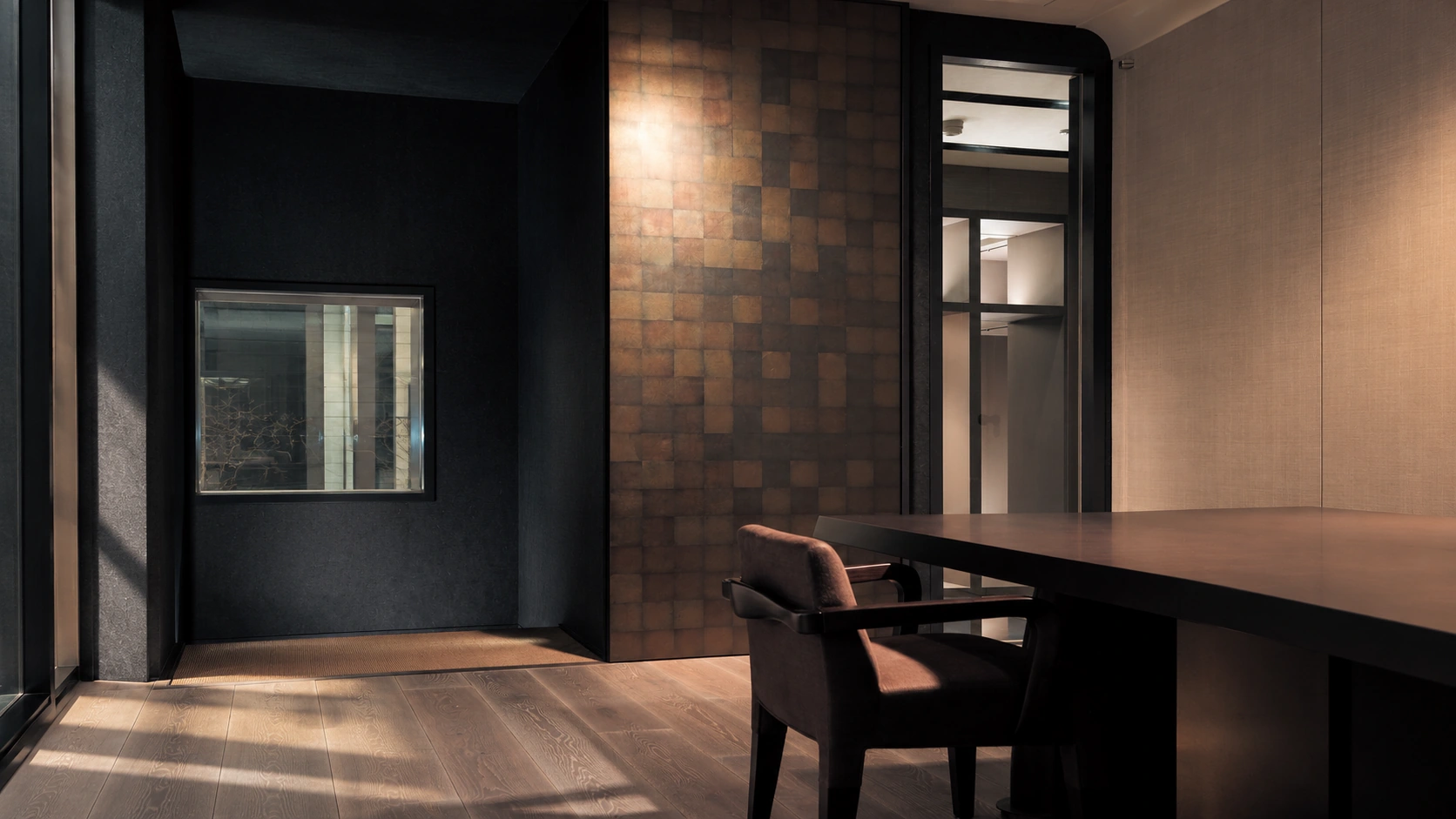
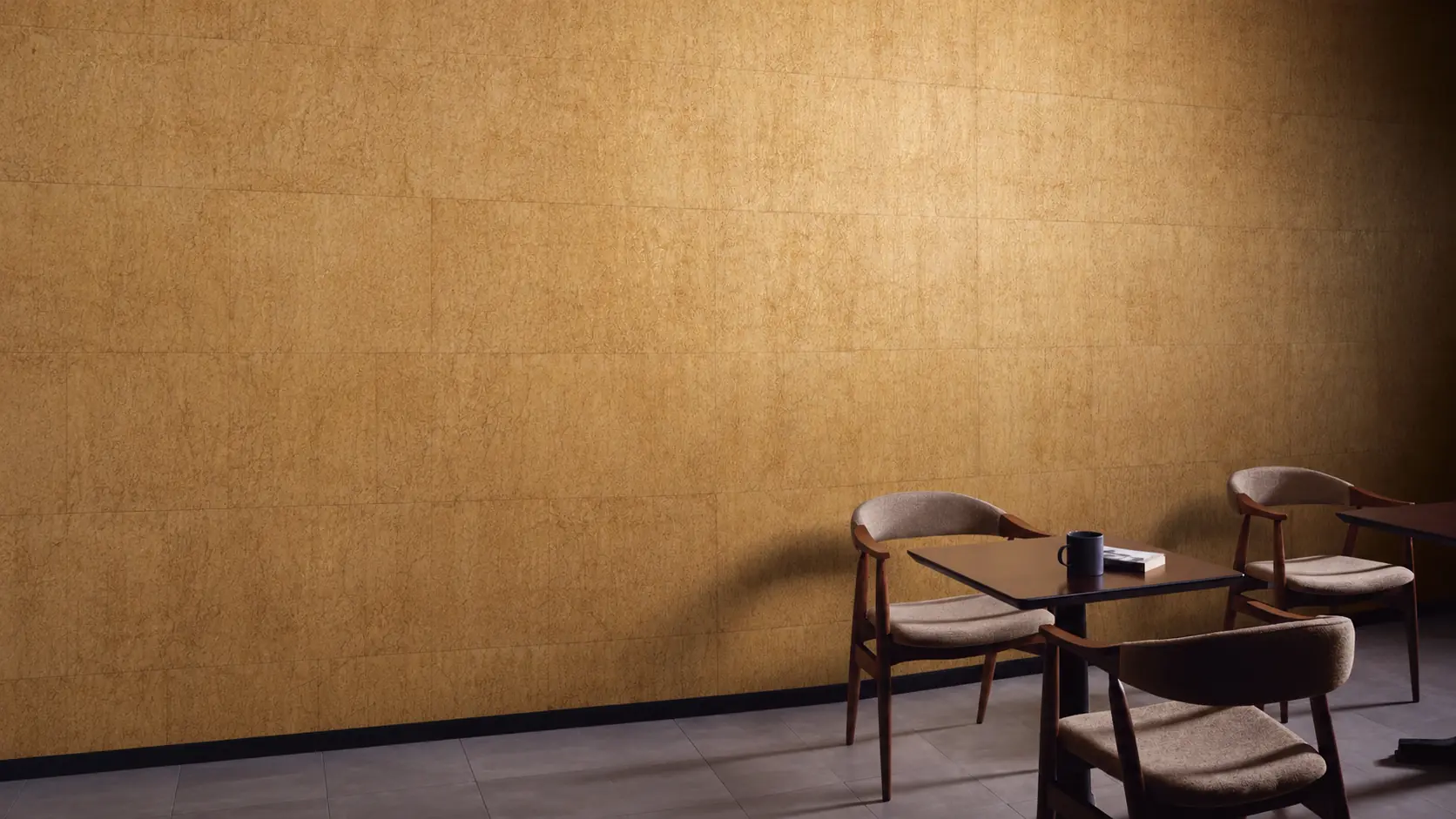
Bronze-toned wallcovering catches the light, bringing warmth and depth to the room.

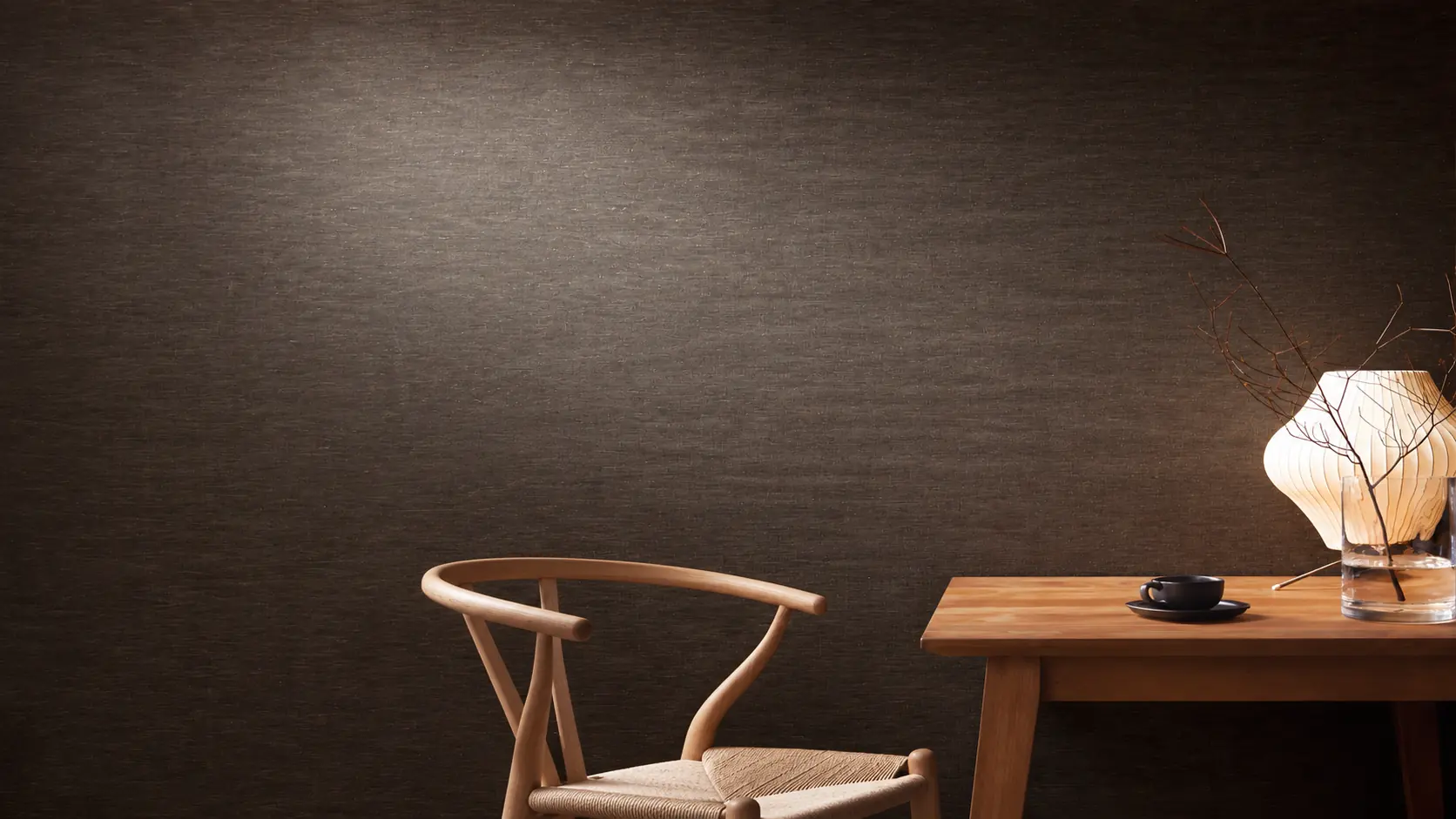
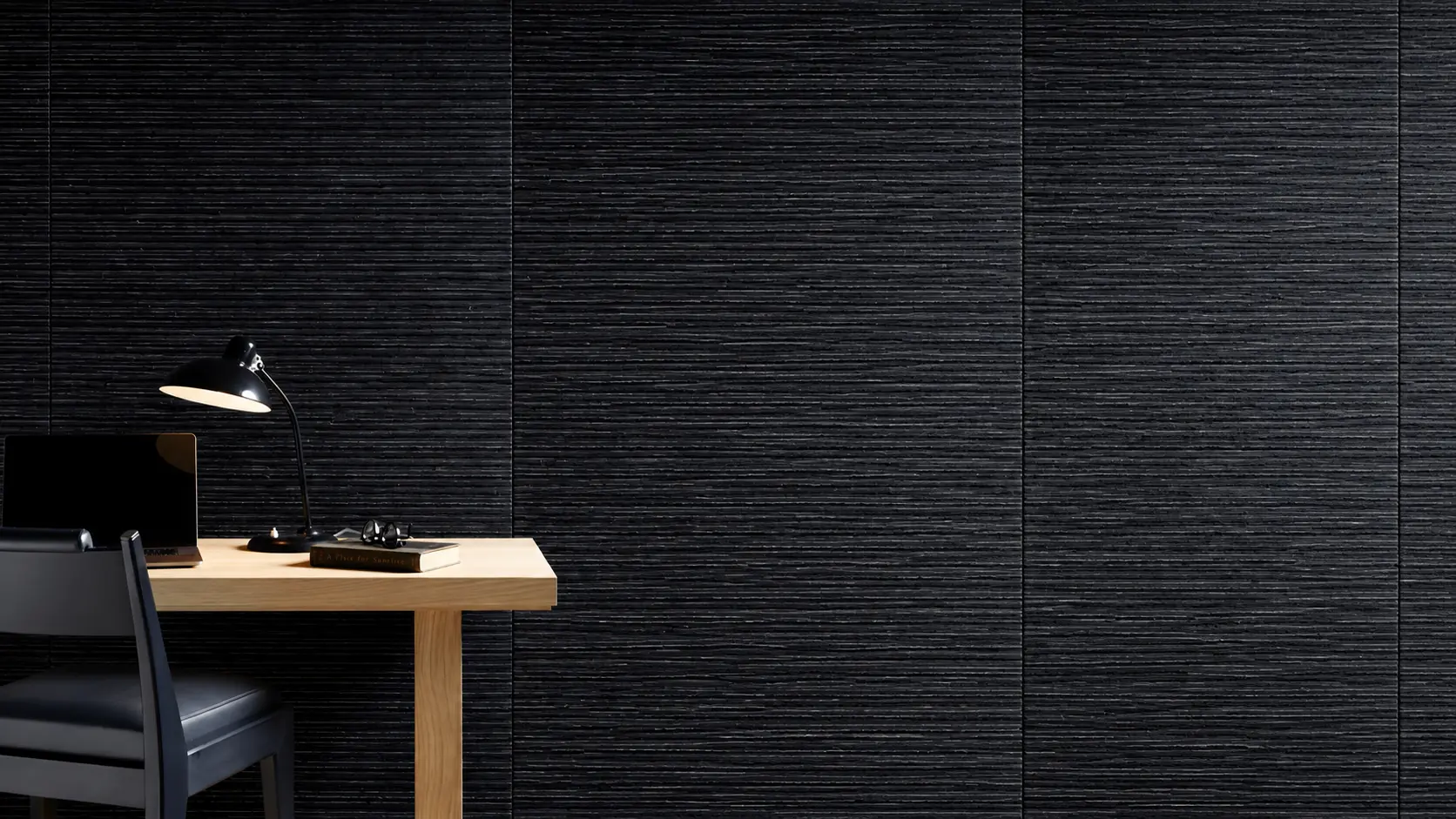
Fine vertical threads give TRI-5512 a quiet rhythm. The woven surface catches the changing light without competing with the furniture and objects around it.


TRI-5520 brings a soft, natural texture to the wall. Subtle variations in the linen become visible as daylight moves across the surface.
A surface defined by fibre, light and restraint.
Ori View Gallery
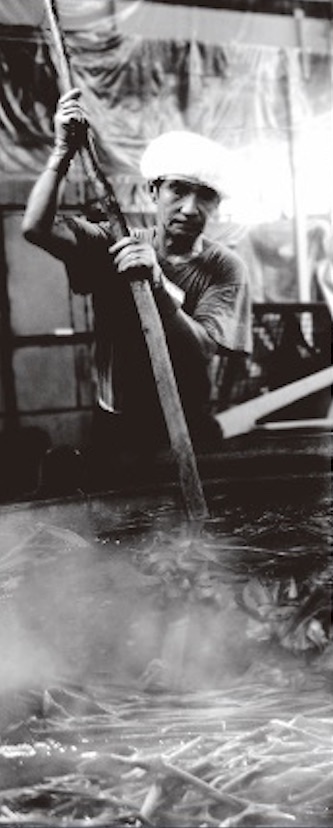
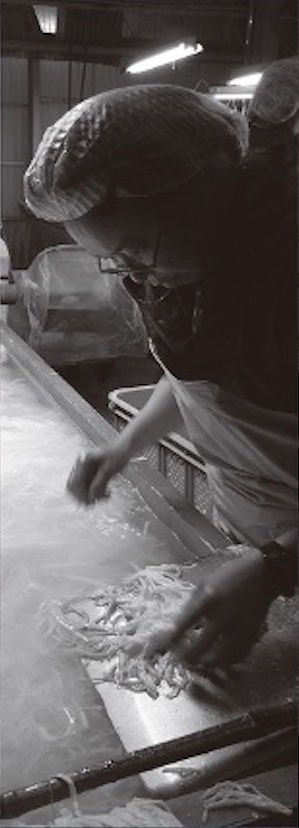
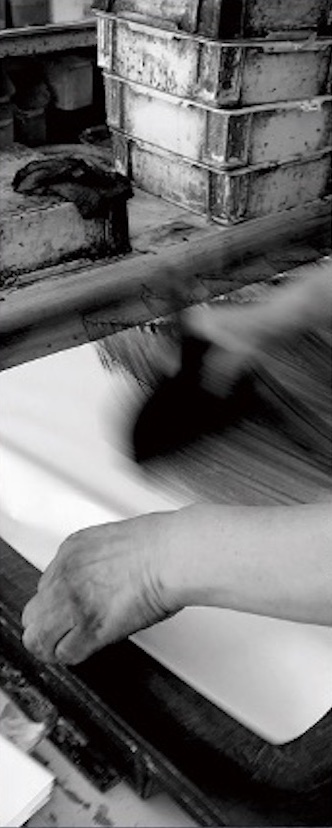
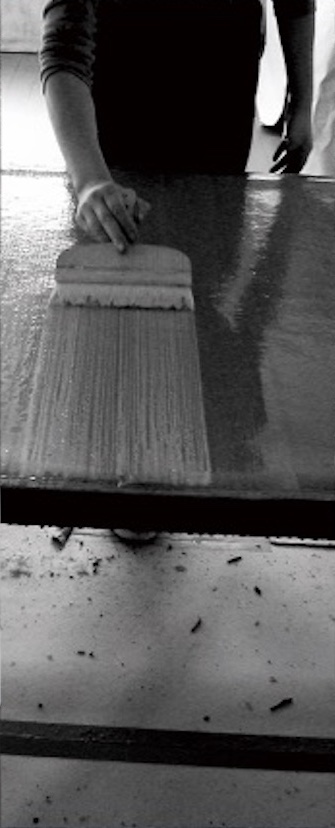
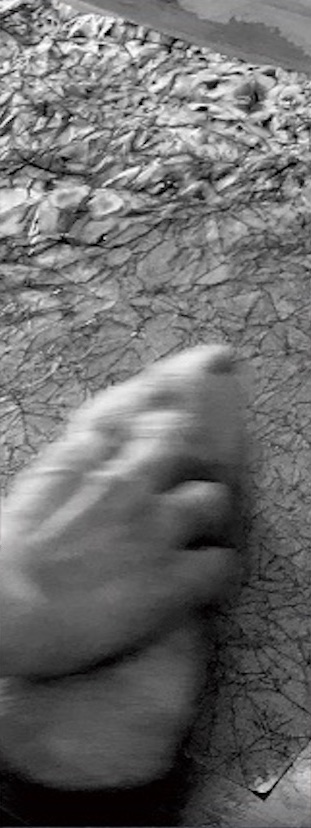
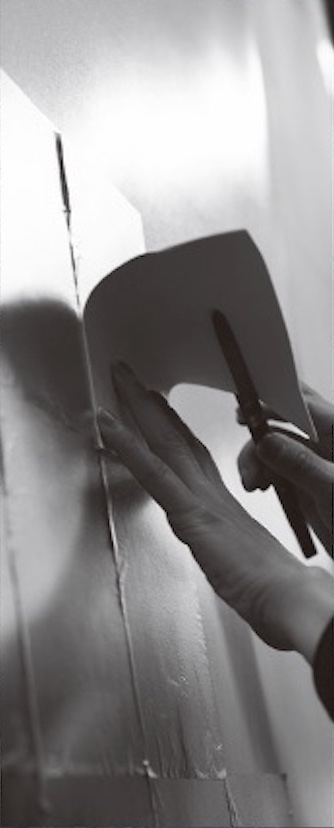
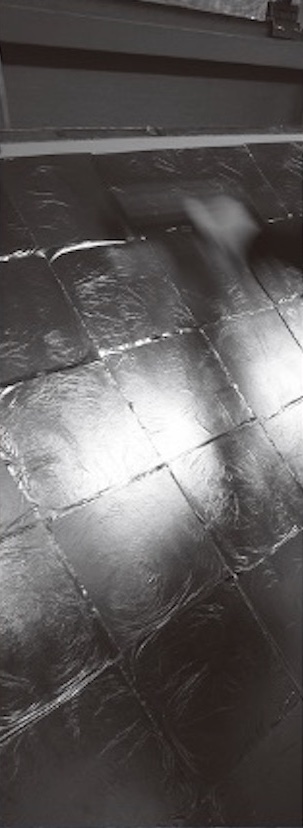
 Made in JapanMaterials & CraftWorking with specialist makers across Japan has taught us that good making is sustained by people — by the eye, hand and judgement behind every surface. Knowing something of the person behind the work changes the way we see the material.
In Japan, the four seasons shape the way we experience the world around us. Our designers and crafting partners live close to these changes, drawing inspiration from the light, colours and textures of nature. Those impressions find their way into the materials and surfaces they create.
Our heritage
Paulownia is sliced thin enough for its grain and lustre to become the pattern itself. No two sheets catch light in exactly the same way.

Paper mulberry bark is cleaned by hand and formed into washi in Inshu. Its fibres remain visible, carrying the process into the finished wall.
We have come to appreciate that nothing in a room is experienced alone. Material changes with the light beside it, the furniture in front of it, and the life that happens around it. That relationship is what continues to interest us.


tomita TOKYO stands in Kyobashi, where the company began in 1923. We show the collections at scale, among light, furniture and material — the way we understand them best.
A place to spend more time with the people, materials and spaces behind the work. Issue 01 begins with Kozo VI, washi from mulberry to wall, a hundred years in Kyobashi, and the materials of Art Wall Legend II.

Rooms, materials, people and work in progress.


