Tomita
01Award

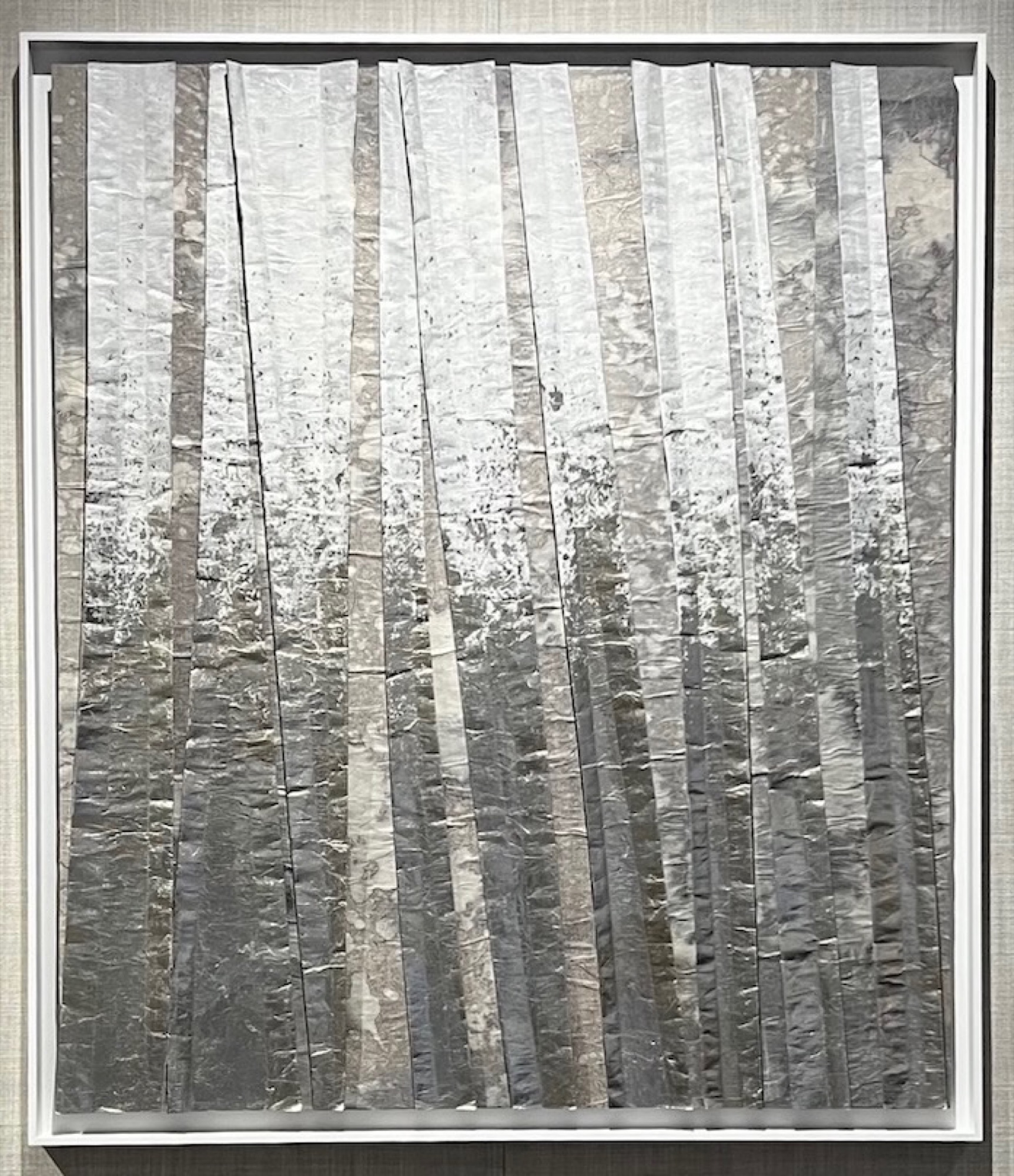
Kozo VI takes the Grand Prix at JCD Product of the Year 2025

Japan’s commercial space designers chose a wallcovering made of paper, by hand, as the product of the year.
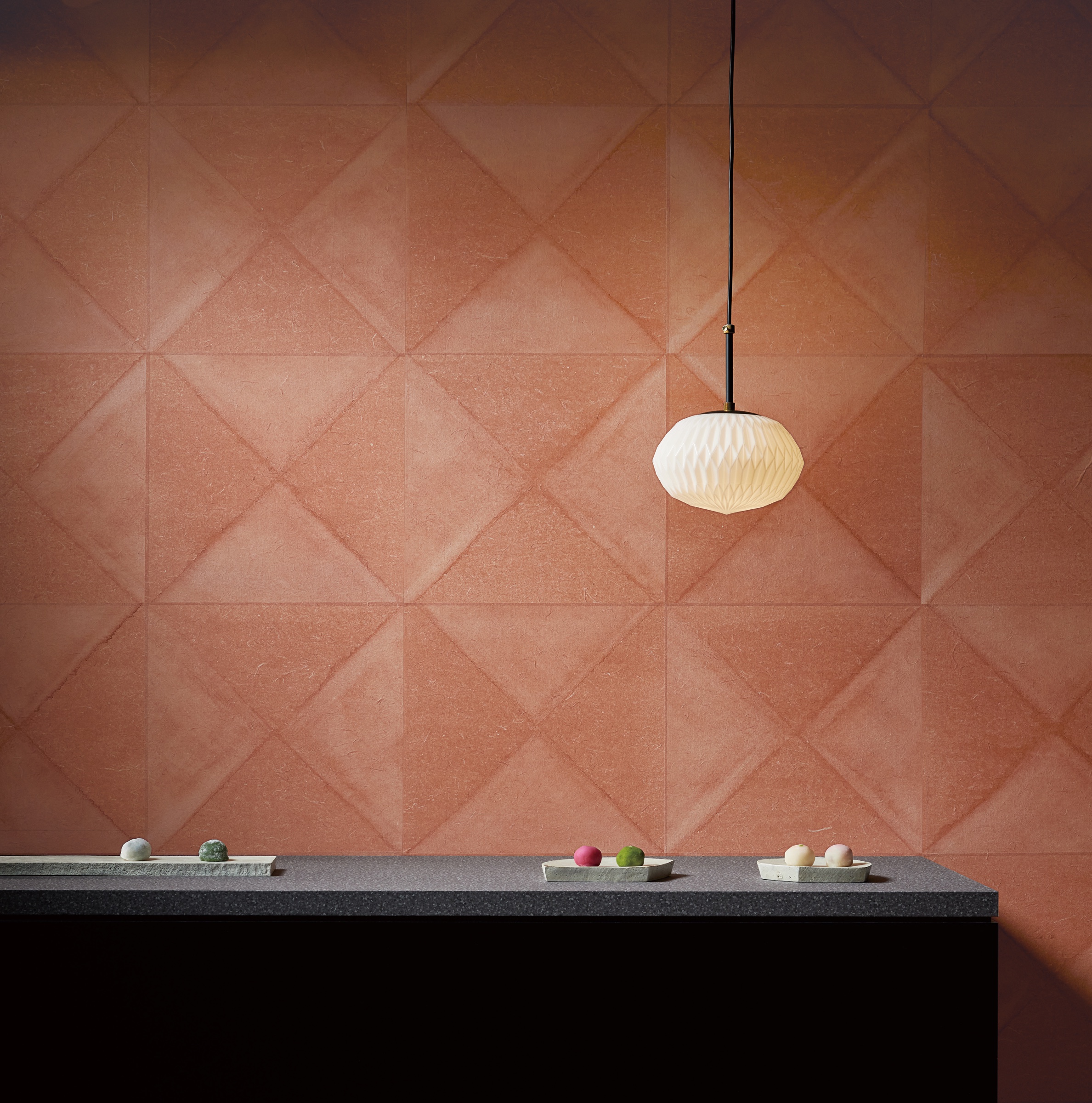
Shikigawara, from Kozo VI: washi creased by hand, sheet by sheet.

Each year the Japan Commercial Environmental Design Association, JCD, asks its member designers to choose the best new products made for the spaces they design. Products pass a first round by members’ vote; in the second, each maker presents directly to the jury.

In the 19th Product of the Year, 2025, the Grand Prix went to Tomita’s Kozo VI, entry No. 2522. The jury’s report says that among many excellent products, Kozo VI won overwhelming support.

What the jury singled out was an innovation and a tradition at once. Washi has always been a delicate material, difficult for a designer to specify. By making patterned and painted washi non-combustible, Kozo VI can be used as a wallcovering in many kinds of space. And the making itself, the report notes, is traditional craft through and through: a deep commitment to washi, the artist’s brushwork, sheets assembled by hand, shibori and gathered folds.

“A persuasiveness that only the genuine article can have.”

Shigeru Kubota, jury chair and President of JCD, on Kozo VI (our translation)

The chair wrote that Japanese tradition and material were fused with technical innovation at a high level, and that meeting a product which took on the inheritance and evolution of traditional craft with such beauty was a joy for the jury.

For us it is recognition of the artisans of Inshu, in Tottori, who make every sheet, and of a collection that began in 1988 with a wish to bring washi to the wall. See the Kozo VI collection, or read the results on the JCD website (in Japanese).
02Craft

From mulberry to wall

Six steps, most of them done by hand, turn a winter branch into a Kozo wallcovering.

Forming sheets of kozo washi at the vat.
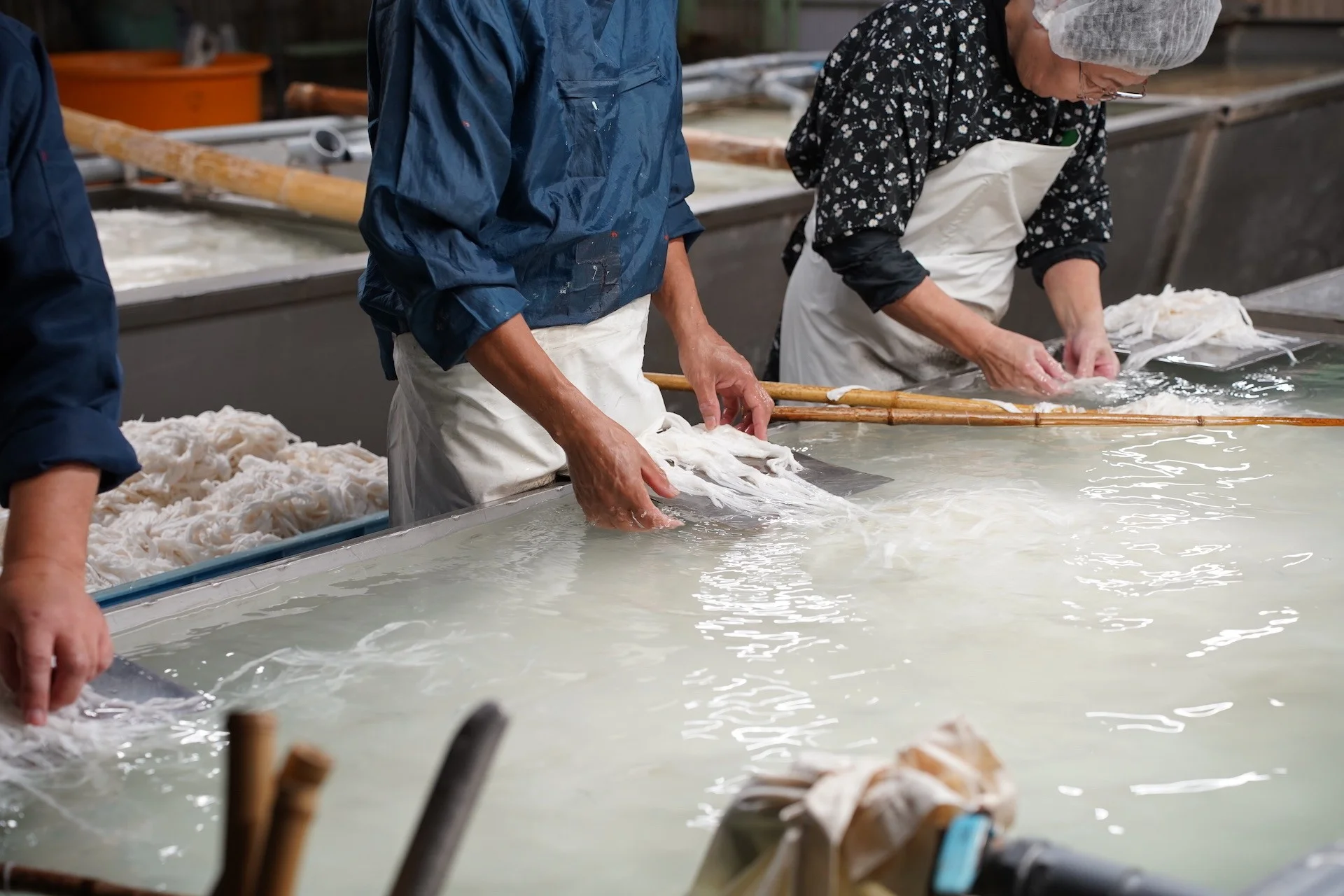
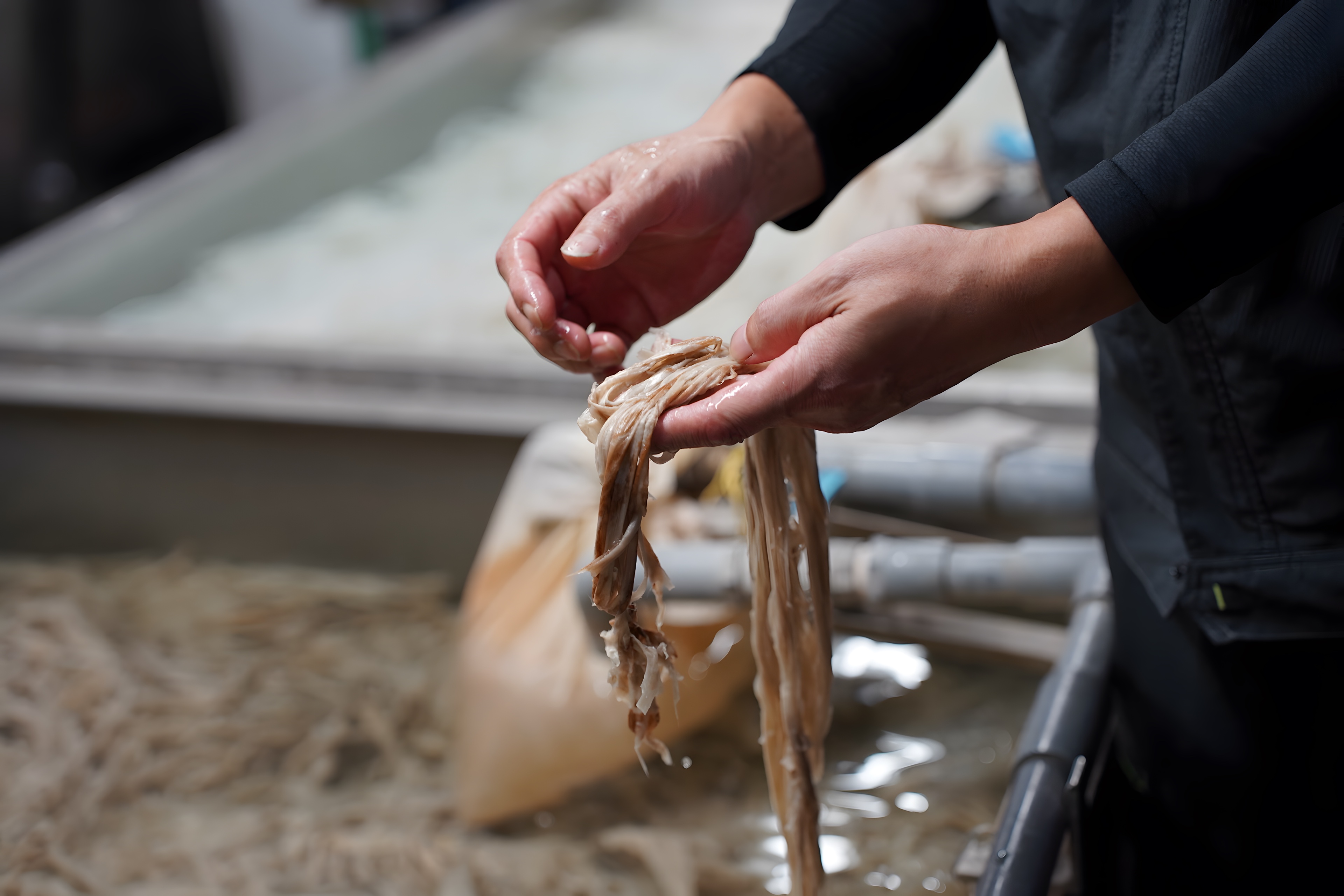
Kozo fibre, lifted wet from the water.

Washi reached Japan from China in the early seventh century. Two hundred years later Japan had a way of forming paper that was its own, nagashizuki, and for 1,300 years the craft has been shaped by the country’s climate and by the wisdom of those who practised it.

Of the fibres used, kozo, the paper mulberry, is the thickest, longest and strongest, and it resists fading in the sun. It is cut in early winter once the leaves have fallen, and grows back the next year.

  1. 01

    The kozo

    A mature plant stands over three metres and is harvested every year without harm to the land. The branches are steamed in a great pot and, while still warm, stripped of their bark by hand, one by one. The dark outer layer is removed, and the white inner bast is dried.

  2. 02

    Cleaning the fibre

    The white bark is soaked and boiled until soft. Then, in cold water, artisans pick out every last speck of black bark and dust by hand, before the fibre is beaten into finer strands.

  3. 03

    Forming the sheet

    The fibres are dispersed evenly in water with a viscous liquid that lets them float and entwine. Washi uses no adhesive: as the water leaves, the cellulose fibres bond to one another.

  4. 04

    Colour

    Colour is applied by machine or by hand. Either way it answers to the state of the paper, the temperature and the humidity, and getting it right takes time and years of experience.

  5. 05

    Painting

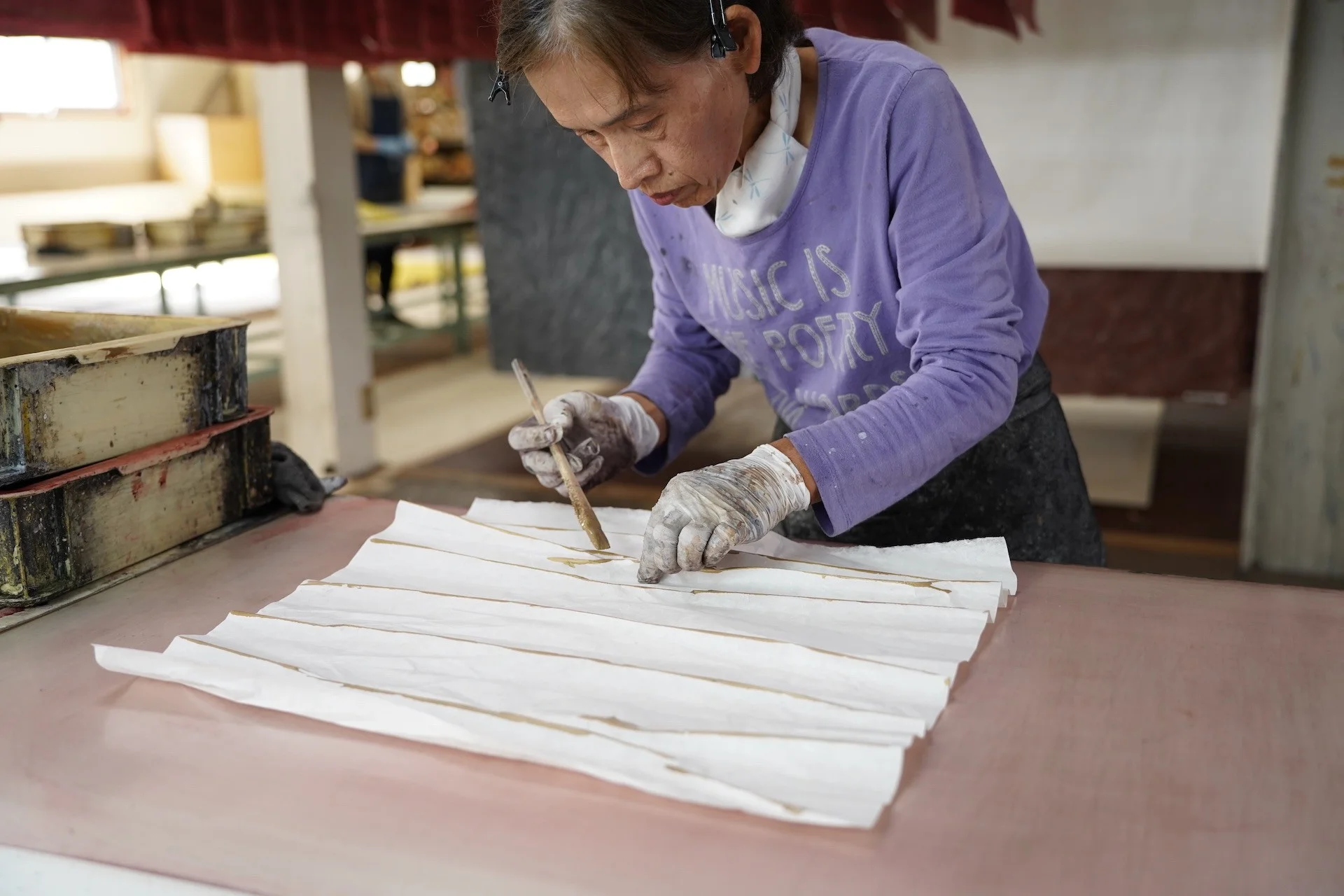
    For hand-worked designs, artisans crease and fold each sheet to order, then lay on pigment with brushes, one sheet at a time. It cannot be done without a trained eye.

  6. 06

    Drying

    Each sheet dries naturally in the air. Slow drying keeps the hues and the soft bleeding that belong to washi. It is then bonded to a backing paper, and becomes a Kozo wallcovering.

Washi, creased and coloured by hand.
03Heritage

A hundred years in Kyobashi

From brocade for hanging scrolls to wallcoverings exported to more than thirty countries.

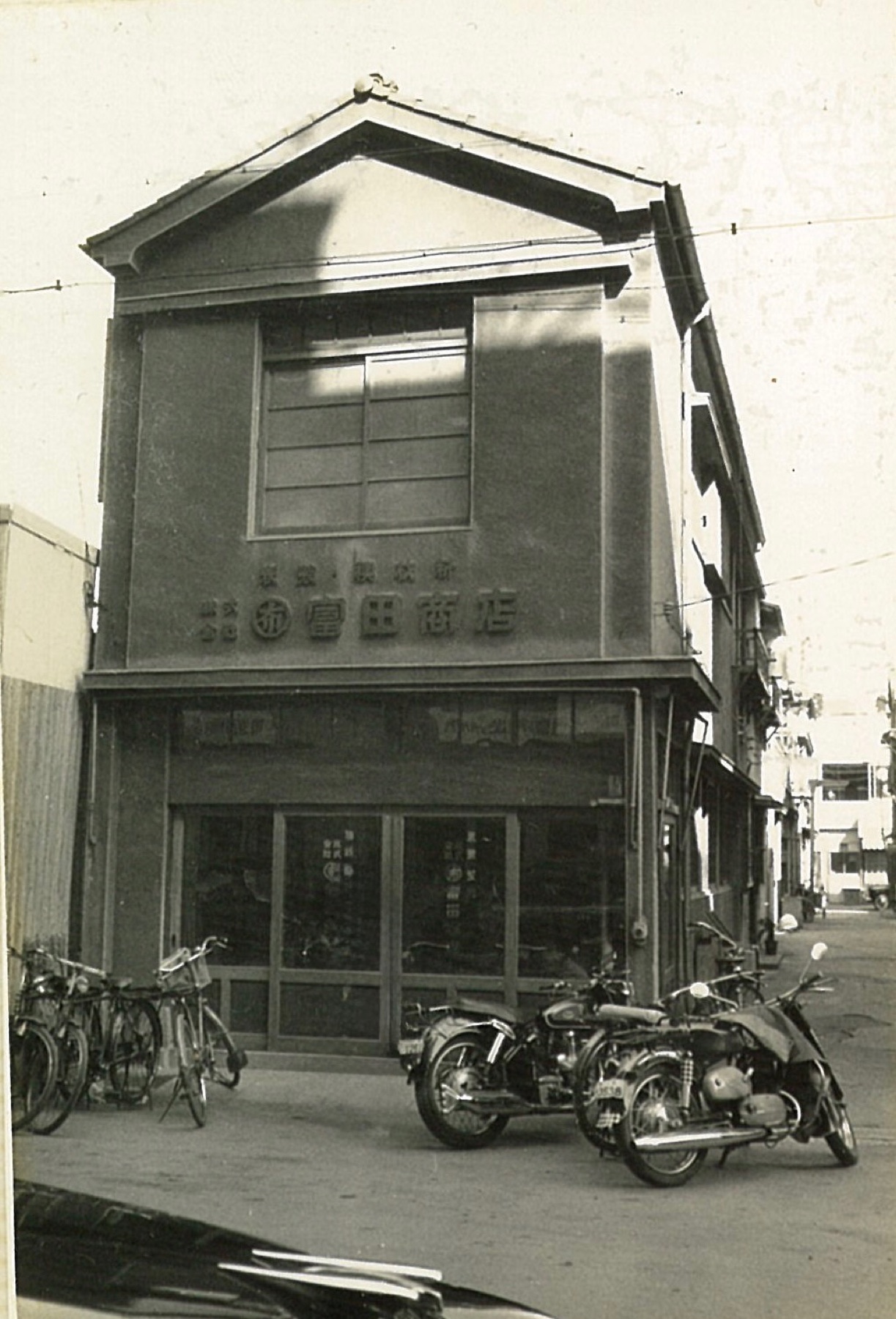
Tomita Shoten, the family shop, in earlier days.
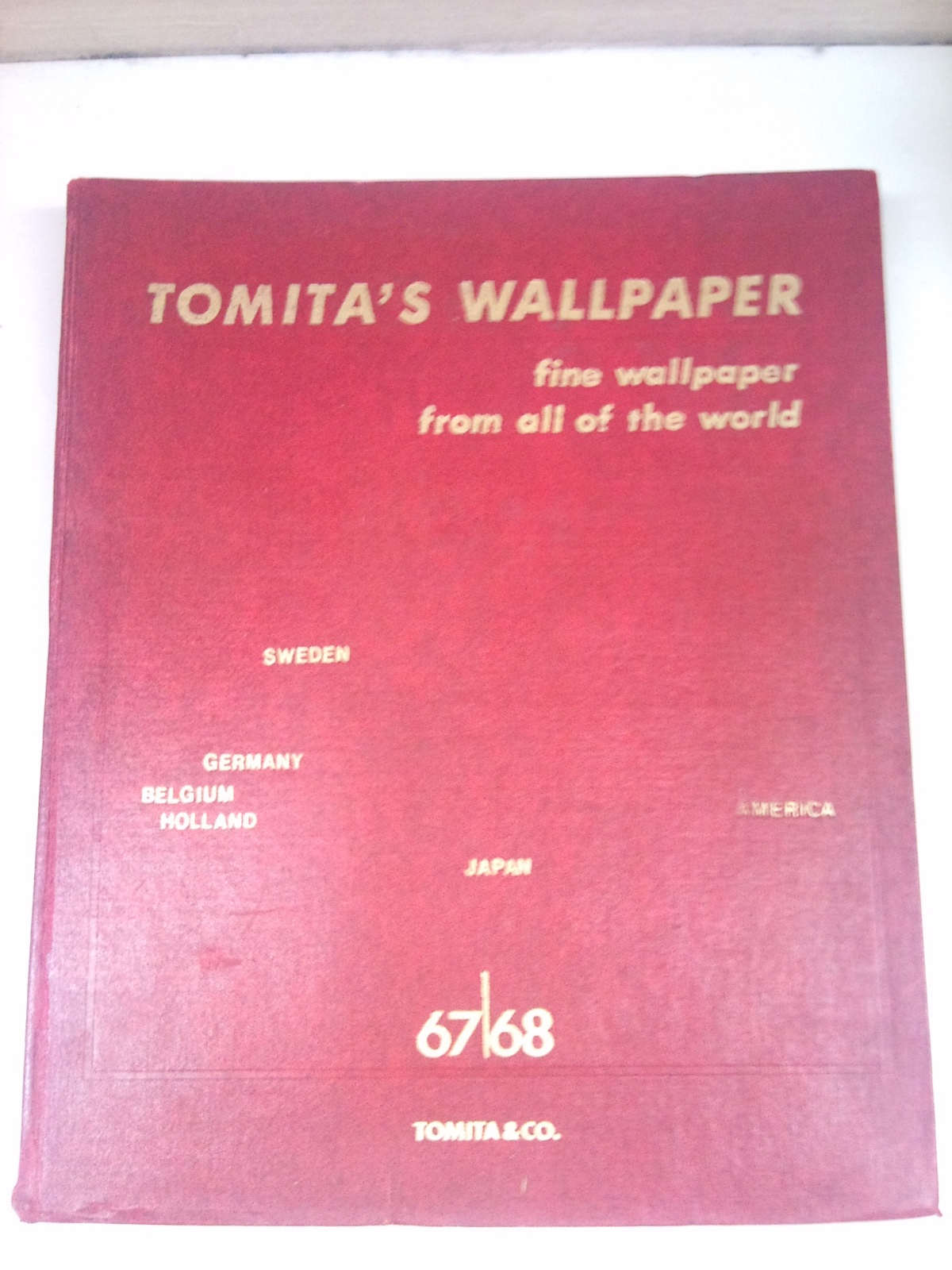
“Tomita’s Wallpaper: fine wallpaper from all of the world”, the 1967–68 sample book.

In 1923 Hikoshiro Tomita came up from Kyoto and opened a wholesale house in Kyobashi, Tokyo, dealing in the brocade used to mount hanging scrolls and in paper for fusuma. His son made fusuma and helped rebuild after the war.

The third generation looked outward. Shoichi Tomita played ice hockey for Japan at the 1960 Winter Olympics, saw how people lived abroad, and wanted Japan to see it too. In 1964 Tomita launched its first original wallcovering collection; by 1967 it was importing wallcoverings from around the world.

Then the traffic turned the other way. The Japan Collection went abroad in 1982; Kozo, Japan’s first washi wallcovering collection, followed in 1988; and Art Wall Legend in 2007. In 2016 Tomita came home to Kyobashi and opened tomita TOKYO. In 2023 it turned one hundred.

Read the full history.

04Materials

Three materials, made new

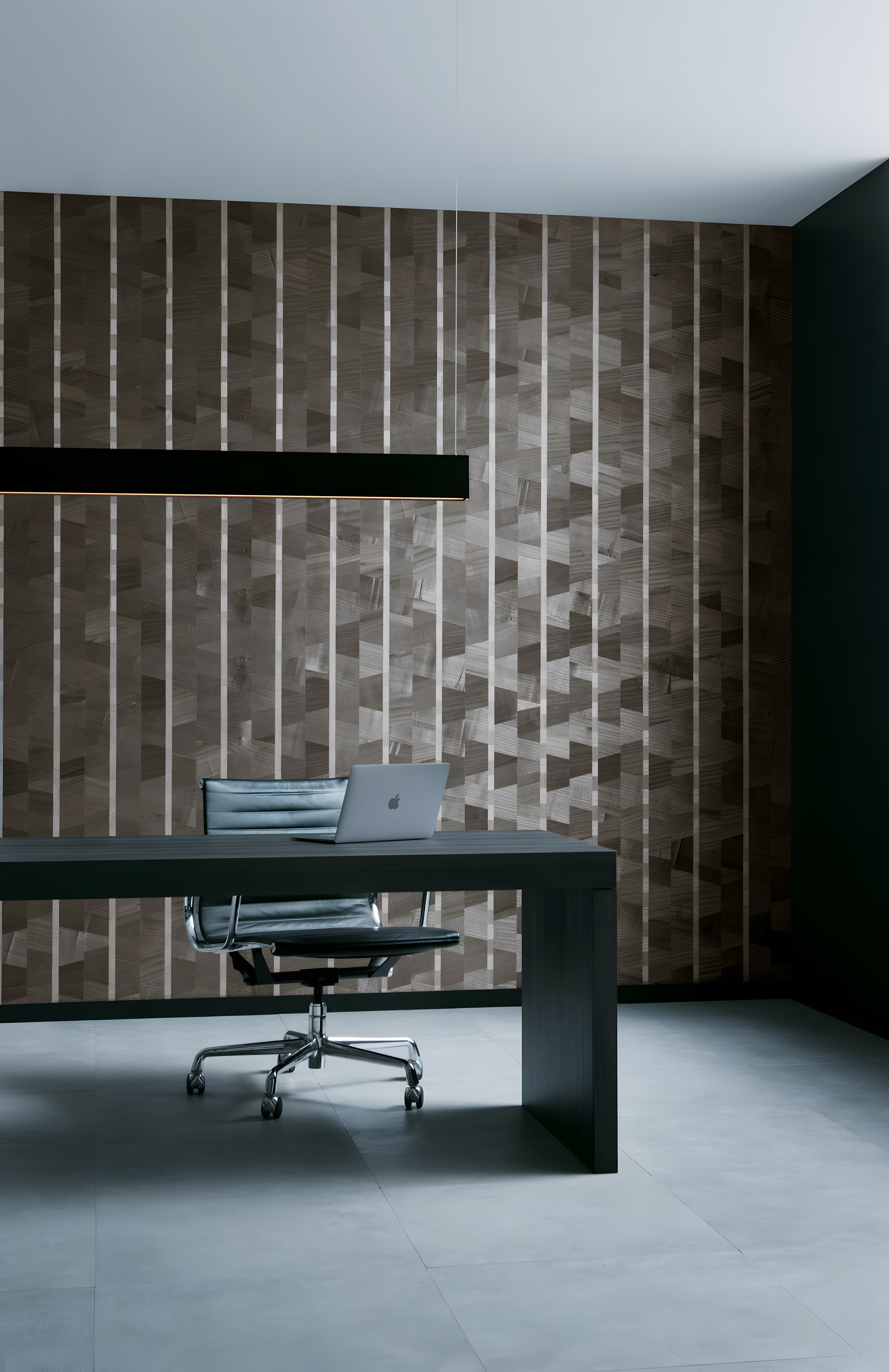
Kiri, kozo, and gold and silver leaf: what Art Wall Legend II is made of.

Kiri: paulownia, sliced thin.
Kozo: washi folded by hand.
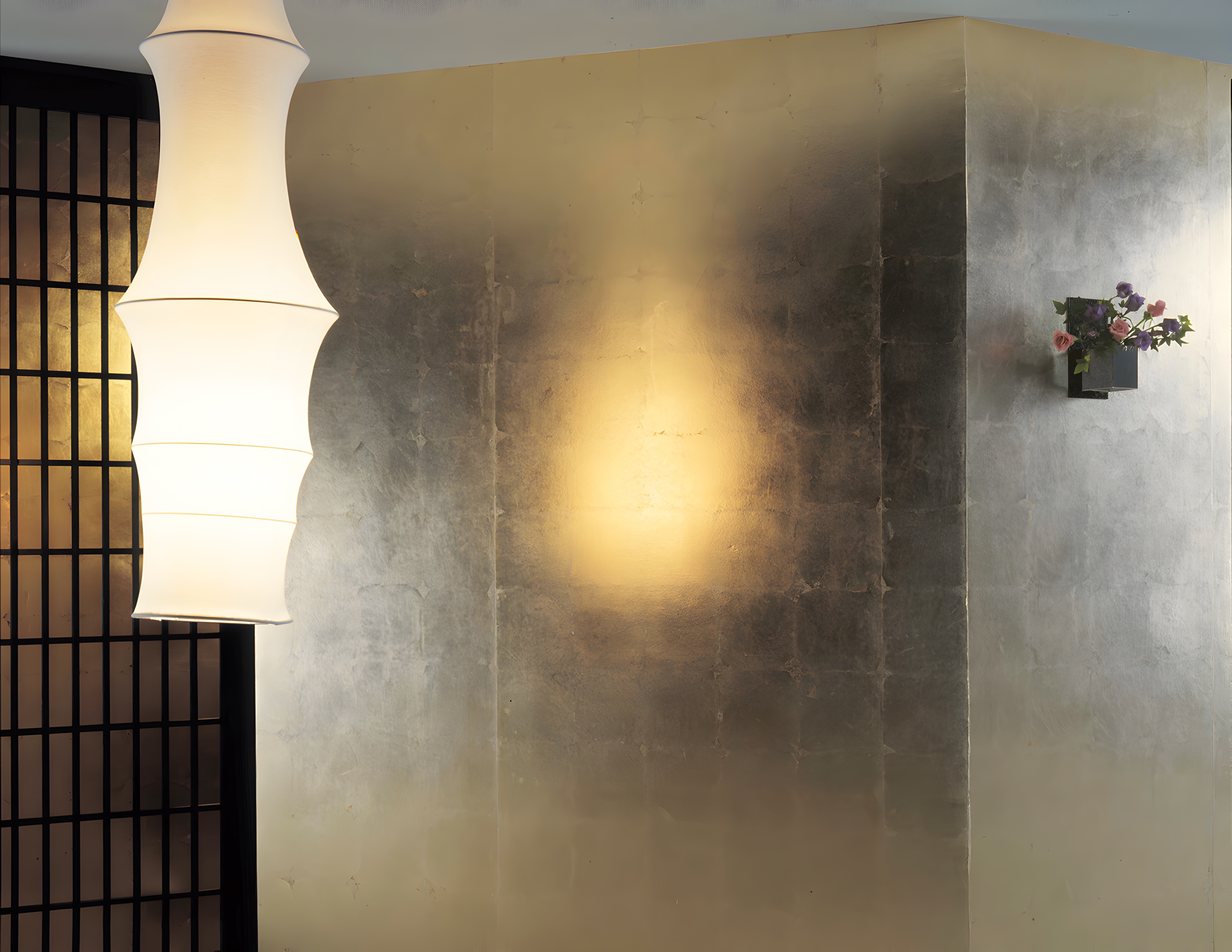
Kingin: leaf, laid a sheet at a time.

Sliced, paulownia shows a soft and beautiful lustre. Thin sheets are laid together one by one to make the most of the natural grain, whose direction gives the wall dimension and a natural play of shade.

Kozo washi is made from the paper mulberry, the cherished gift of nature of Inshu. Its fibre, strong yet delicate, allows folding, crumpling and gradations of colour, and gives a layered sense of warmth.

Leaf is beaten to about a ten-thousandth of a millimetre, then laid by hand one sheet at a time, work so delicate that craftsmen sometimes hold their breath. Gold, silver, pewter and aluminium each have a deep shine of their own.

More on materials and craft, or see Art Wall Legend II.

Tomita Magazine · Issue 01

Every collection in these pages can be ordered in Canada, supplied and installed by our own professionals.